A refrigerator door that looks closed can still leak cold air around the edges. That small gap may be why milk feels less cold than usual, produce spoils early, frost builds up, or the refrigerator seems to run constantly. This refrigerator gasket guide explains what the door seal does, how to recognize a problem, and when a simple cleaning is enough versus when professional repair is the safer choice.
What a Refrigerator Gasket Does
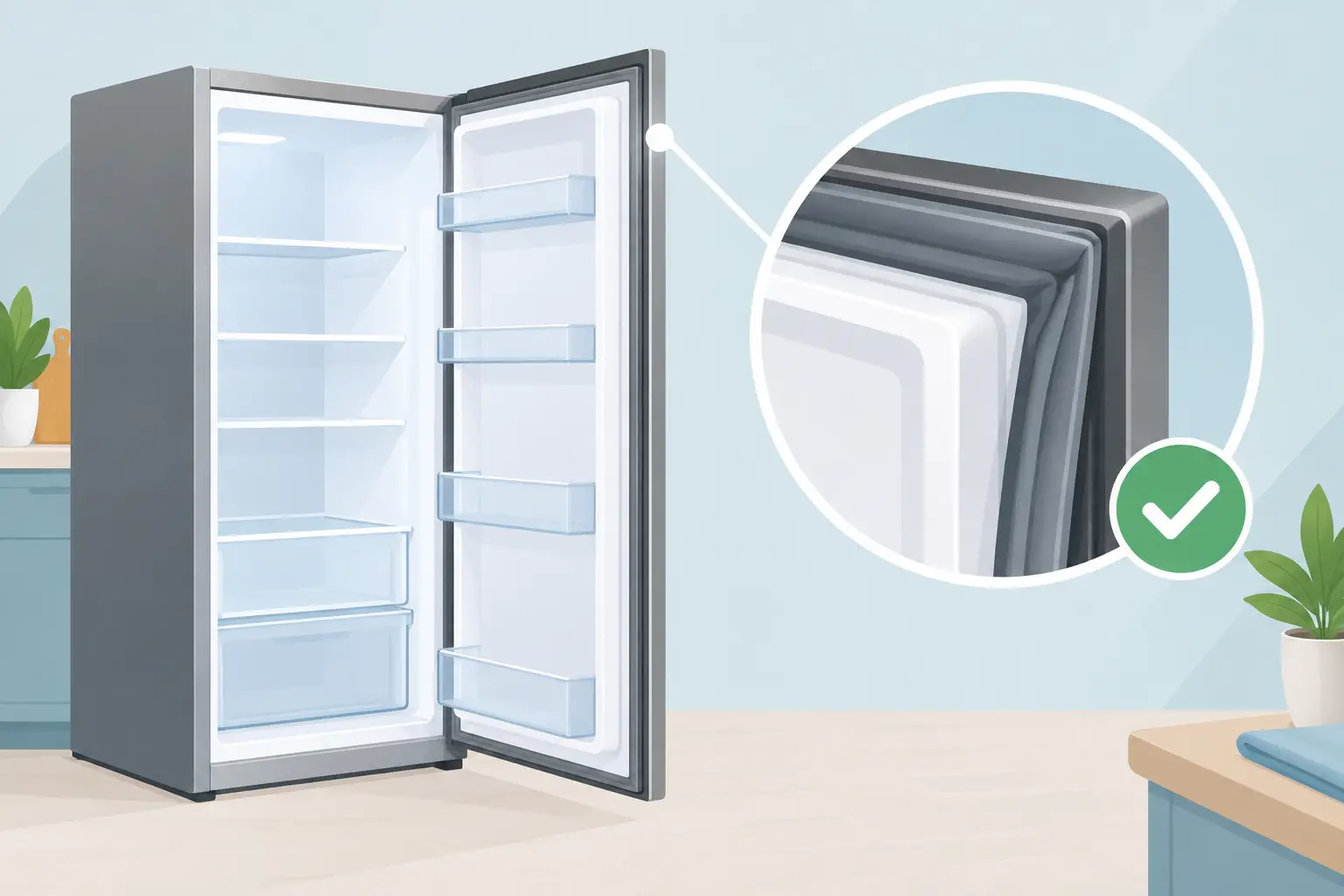
The gasket is the flexible rubber or vinyl seal that runs around the inside edge of a refrigerator or freezer door. When the door closes, the gasket presses against the cabinet frame and creates an airtight seal. That seal keeps cold air inside and warmer, humid kitchen air outside.
When the gasket is working properly, your refrigerator can maintain a stable temperature with normal cycling. When it is torn, warped, dirty, loose, or no longer making full contact, the compressor has to work harder to compensate. In Orange County homes, where kitchens can get warm and busy family refrigerators are opened often, a weak door seal can quickly become a food-storage problem.
A gasket issue is not always obvious. The door may still close, the interior light may turn off, and the refrigerator may still feel cool. But a poor seal can gradually lead to higher energy use, excess moisture, frost, and uneven temperatures from one shelf to another.
Signs Your Refrigerator Door Gasket May Be Failing
The most common symptom is condensation. If you see moisture on the door frame, around the gasket, or inside the refrigerator near the front edge, warm humid air may be entering through a gap. Freezer frost is another common warning sign, especially when it returns soon after you remove it.
Pay attention to changes in daily operation as well. A refrigerator that runs longer than usual, feels warmer near the door, or struggles to keep food cold may have a compromised seal. You may also notice that the door does not pull itself closed during the final inch of travel. Many refrigerator doors use gasket magnets to help hold the door shut, so a door that feels unusually loose deserves attention.
These signs do not automatically mean the gasket is the only problem. Temperature issues can also come from dirty condenser coils, a failing fan motor, a defrost-system failure, damaged hinges, or a control problem. A proper diagnosis helps avoid replacing a part that is not actually causing the issue.
Try the Paper Test Carefully
A simple paper test can help identify a weak area. Close the refrigerator door on a sheet of paper, then gently pull the paper outward. You should feel some resistance. Repeat the test around the top, sides, and bottom of the door.
If the paper slides out easily in one location but grips firmly elsewhere, that section may not be sealing. This is a useful screening test, not a final diagnosis. A tilted refrigerator, overloaded door shelves, or worn hinges can prevent a good seal even if the gasket itself is still in usable condition.
Start With Cleaning and Basic Checks
Before assuming the gasket needs replacement, inspect it closely. Food residue, grease, crumbs, and sticky spills can collect in the folds of the seal and keep it from sitting flat. Clean the gasket with warm water, mild dish soap, and a soft cloth. Avoid harsh cleaners, bleach, abrasive pads, and sharp tools that can dry out, scratch, or tear the material.
Wipe the matching cabinet surface clean as well. Then dry both surfaces completely and close the door. Check whether the gasket sits evenly against the frame with no visible gaps.
Look for items inside the refrigerator that may be blocking the door. Large containers, overfilled bins, or crowded door shelves can push against the door and keep it from closing squarely. Check the installation and leveling instructions for your exact model. Some refrigerators require a slight rearward tilt for proper door closing. Do not adjust hinges or leveling feet by guesswork, especially on built-in or panel-ready units.
If the gasket has minor wrinkles after the door has been left open or the seal has been compressed, it may recover once the door stays closed for a while. Do not use an open flame or excessive heat to reshape it. Applying uncontrolled heat can damage the gasket, door liner, insulation, or nearby plastic components.
When Cleaning Will Not Solve the Problem
A refrigerator gasket generally needs replacement when it is cracked, split, hardened, permanently flattened, torn at a corner, or pulling away from the door. Mold staining that remains embedded in damaged material can also be a reason to replace the seal, particularly if it affects cleanliness or odor.
Replacement may also be necessary when the gasket looks intact but has lost its magnetic hold. On some models, the magnet is built into the gasket. On others, the issue may be related to door alignment or the cabinet surface rather than the gasket itself.
Premium and built-in refrigerators require extra care. Sub-Zero, Thermador, Miele, Viking, Fisher & Paykel, and other high-end units may use model-specific gasket profiles, concealed fasteners, panel-ready doors, or alignment systems that make a universal replacement unsuitable. Installing the wrong gasket can leave gaps, interfere with door movement, or create new cooling problems.
Why the Right Gasket Matters
Refrigerator gaskets are not one-size-fits-all. Even two models from the same manufacturer can use different lengths, corner designs, mounting styles, and magnetic profiles. A gasket that appears close in size may not seal correctly.
The correct replacement is matched to the refrigerator’s full model number, which is usually found on a label inside the fresh-food compartment, near a side wall, behind a crisper drawer, or on the door frame. A technician can use that information to identify the proper factory part and determine whether the real cause is the gasket, hinge alignment, or a damaged door.
This matters because an air leak creates more than a minor inconvenience. As warm air enters, moisture can freeze in the freezer or condense in the refrigerator. The appliance runs longer, temperatures can fluctuate, and food may not stay at a consistently safe temperature. If your refrigerator is warm, food is spoiling, or a freezer is building heavy frost, it is best not to wait for the problem to worsen.
Gasket Replacement: DIY or Professional Repair?
Some standard refrigerator gaskets are designed for homeowner replacement, particularly when they slide into a channel or fasten with accessible screws. If you are comfortable working carefully with appliance parts and can confirm the exact part number, replacement may be straightforward.
There are trade-offs. New gaskets often need to be seated evenly all the way around the door, and a corner that is twisted or tucked improperly can leak. Door screws may also affect alignment on certain models. Tightening or loosening them without knowing their purpose can leave the door sagging, rubbing, or unable to close properly.
Professional service is the better option when the door is misaligned, the gasket is glued or difficult to remove, the refrigerator has a custom panel, or cooling symptoms continue after cleaning the seal. It is also the practical choice when you cannot afford more spoiled food or uncertainty about whether the appliance is holding temperature.
AK Appliance Repair provides in-home refrigerator and freezer diagnostics in Tustin and Orange County, including service for mainstream and luxury brands. A technician can inspect the gasket, hinges, door alignment, cooling performance, and related components, then provide a clear estimate before repair work begins. The $75 service fee is waived when you proceed with the repair.
Protect the Seal After Repair
Once the gasket is sealing properly, a few habits can help it last longer. Clean spills from the gasket promptly, avoid slamming the door, and make sure heavy items in door bins are not pulling the door out of alignment. Keep food containers from extending beyond the shelf edge, where they can quietly prevent the door from closing all the way.
If a refrigerator suddenly seems louder, runs almost nonstop, develops frost, or cannot keep food cold, treat it as a timely repair issue rather than a cosmetic one. A door gasket is a small part, but it protects the cold air your household depends on every day.