A refrigerator that is suddenly warm at dinner time, a washer leaking across the laundry room floor, or an oven that will not heat before guests arrive can throw an entire household off schedule. Emergency appliance repair Orange County homeowners can rely on starts with a quick, accurate diagnosis and a clear plan to prevent the problem from becoming more expensive.
Not every appliance issue requires an after-hours visit. But when a failure threatens your food, flooring, electrical safety, water supply, or ability to manage daily life, waiting several days is rarely the best option. Knowing what to do in the first few minutes helps protect your home and gives a repair technician the information needed to get the job done right the first time.
When an Appliance Breakdown Is an Emergency
An appliance emergency is less about inconvenience and more about risk. A refrigerator or freezer that cannot hold a safe temperature puts perishable food at risk. A dishwasher or washer leak can damage cabinets, baseboards, flooring, and the ceiling below. A gas odor near a range or cooktop requires immediate attention because safety comes before repair.
Laundry problems can also become urgent. A washer that will not drain may leave a tub full of water, while a dryer that smells hot, stops mid-cycle, or has no airflow may point to an issue that should not be ignored. For cooking appliances, a sparking cooktop, an oven that will not shut off, or a gas burner that will not ignite properly needs prompt professional evaluation.
A broken appliance can sometimes wait if it is operating safely and you have a practical backup. For example, a dishwasher with a failed detergent dispenser may be frustrating but usually does not need emergency service. A refrigerator warming up, a washer actively leaking, or a gas appliance behaving unpredictably is different.
What to Do Before Emergency Appliance Repair in Orange County
Your first job is to protect people and property, not to take the appliance apart. Modern refrigerators, dishwashers, washers, ovens, and premium appliances have electrical components, water connections, sensors, and specialized parts that can be damaged by a guess-and-check repair.
If the situation is safe to approach, take these basic steps:
- Turn off the appliance and unplug it if you can do so safely and the plug is accessible.
- Shut off the water supply valve for a leaking washer, dishwasher, or refrigerator water line.
- Move food from a warming refrigerator or freezer into coolers with ice, keeping the doors closed as much as possible.
- If you smell gas, do not operate switches, lighters, or the appliance. Leave the area and contact the gas utility or emergency services as appropriate.
- Take a photo of any error code, water location, damaged part, or display message before it disappears.
Avoid repeatedly restarting an appliance to see whether it will correct itself. A dryer that overheats, a refrigerator compressor that repeatedly clicks, or a dishwasher that continues to fill can turn a manageable repair into a larger failure. Once the appliance is powered down or its water supply is off, write down what happened: when the issue started, what cycle was running, whether there were unusual sounds, and whether the appliance showed a code.
Refrigerator and Freezer Failures Need Fast Decisions
A warm refrigerator is one of the most time-sensitive household failures. Food safety depends on temperature, and opening the doors repeatedly lets cold air escape. Keep the doors closed while you arrange coolers and check whether the interior light is working, the display is showing an error, or the appliance is making unusual clicking, buzzing, or grinding noises.
The cause could be as straightforward as a damaged door gasket or a blocked airflow path. It could also involve the evaporator fan, condenser system, control board, compressor, or defrost components. The right repair depends on the diagnosis, especially with built-in and luxury units from Sub-Zero, Miele, Thermador, Viking, Wolf, and Fisher & Paykel.
Do not chip ice away with a knife or sharp object inside a freezer. That can puncture an internal refrigerant line and turn a repairable defrost issue into a much larger problem. A trained technician can determine whether the issue is airflow, frost buildup, a sensor, or a mechanical component and explain the available repair options clearly.
Leaking Washers and Dishwashers Can Damage More Than One Room
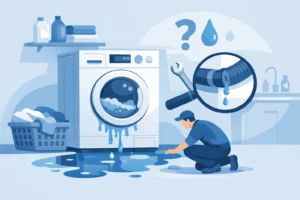
Water travels quickly under flooring and behind cabinets. With a washer, the source may be a loose supply hose, drain hose, door seal, pump, or internal connection. With a dishwasher, leaks may come from the door gasket, float switch, inlet valve, circulation pump, drain system, or a cracked component beneath the tub.
Shutting off the water is the most useful first step. Then use towels to contain standing water and avoid running another cycle. If water has reached an electrical outlet, breaker panel, or lower level of the home, treat the situation cautiously and do not attempt to handle electrical connections yourself.
A technician should identify the actual leak source before recommending a repair. Water on the floor may appear near the front of an appliance while the underlying problem is farther back or underneath. An honest diagnosis prevents replacing the wrong part and helps protect your home from repeat damage.
Dryer and Cooking Appliance Problems That Should Not Wait
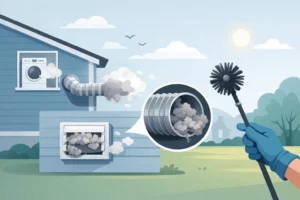
A dryer that takes multiple cycles to dry clothes may have a venting issue, heating failure, blower problem, or sensor concern. If you notice a burning smell, excessive heat, scorching, or a dryer that shuts down unexpectedly, stop using it until it has been inspected. Continuing to run an overheating dryer is not a reasonable trade-off for getting one more load finished.
For electric and induction cooktops, cracked glass, repeated error codes, burners that remain hot, or power failures can require quick service. Gas cooktops and ovens need additional care. If there is a gas smell, leave the area and follow your gas utility’s safety instructions. If there is no gas odor but a burner clicks continuously, fails to light, or produces an irregular flame, schedule professional service rather than trying to adjust gas components on your own.
Whether your kitchen includes a standard Whirlpool, GE, LG, Samsung, or Bosch appliance or a high-end cooking system, the repair approach should match the model and problem. Using genuine factory parts when needed supports proper fit, operation, and long-term reliability.
What a Good Emergency Service Visit Should Include
Fast scheduling matters, but speed without a proper diagnosis can lead to wasted time and repeat repairs. A dependable in-home repair visit should begin with listening to the symptoms, inspecting the appliance, testing the relevant components, and explaining the findings in everyday language.
You should receive a clear estimate before work begins. Ask whether the estimate includes labor and parts, whether the needed part is available, and what happens if the technician finds additional damage after testing. If replacement is a better financial choice than repair, a trustworthy technician should say so directly rather than pushing a repair that does not make sense.
AK Appliance Repair provides in-home diagnostics and repair for major kitchen and laundry appliances throughout Orange County, with same-day, evening, weekend, and emergency availability when scheduling permits. The $75 service fee is waived when you proceed with a repair, so you can make a decision after receiving an honest recommendation and clear estimate.
Be Ready When You Call
A few details can help speed up diagnosis and parts planning. Have the appliance brand, model number, approximate age, symptoms, and any displayed error code available. For leaks, note whether water appeared during filling, washing, draining, or after the appliance was off. For refrigerator issues, mention whether the freezer and fresh-food sections are both affected.
It also helps to clear a safe path to the appliance and remove fragile items from nearby counters or laundry shelves. You do not need to disassemble panels, pull out a heavy built-in refrigerator, or troubleshoot wiring. That is the technician’s job.
When an appliance stops working at the worst possible time, a calm response can limit the damage. Shut it down safely, protect your food or flooring, and arrange qualified service before a small warning becomes a much bigger interruption to your home.