A cooktop that will not light, heat evenly, or respond to its controls can stop dinner plans without much warning. A qualified cooktop technician identifies what is causing the failure and helps you decide whether a practical in-home repair can get your kitchen working again. For Orange County households, prompt service matters when a broken burner turns a normal weeknight meal into takeout, delays family routines, or creates a safety concern.
Cooktop problems are not always as simple as a bad burner. Gas, electric, and induction models use different systems to create heat, and several parts may produce similar symptoms. Professional diagnosis prevents guesswork, protects the appliance from further damage, and gives you a clear estimate before repair work begins.
Signs You Need a Cooktop Technician
Some failures are obvious, such as a gas burner that clicks but never ignites. Others develop gradually, including a heating element that takes longer to warm up or an induction zone that intermittently stops recognizing cookware. Calling for service early can often prevent a minor part issue from becoming a larger inconvenience.
A cooktop technician should inspect the appliance when you notice one or more of these problems:
- A gas burner will not ignite, keeps clicking, or has a weak, uneven flame.
- An electric burner stays cold, heats only partway, or gets hotter than its setting.
- An induction cooktop displays an error code, shuts off unexpectedly, or does not detect compatible cookware.
- Touch controls, knobs, displays, or indicator lights do not respond correctly.
- You smell gas, see sparks, notice damaged wiring, or hear unusual buzzing or popping.
For a suspected gas leak, do not try to relight the burner or troubleshoot the cooktop yourself. Turn off the appliance if it is safe to do so, leave the area, and follow local gas safety guidance. A gas odor is a situation that requires immediate attention, not a wait-and-see approach.
What a Cooktop Technician Actually Checks
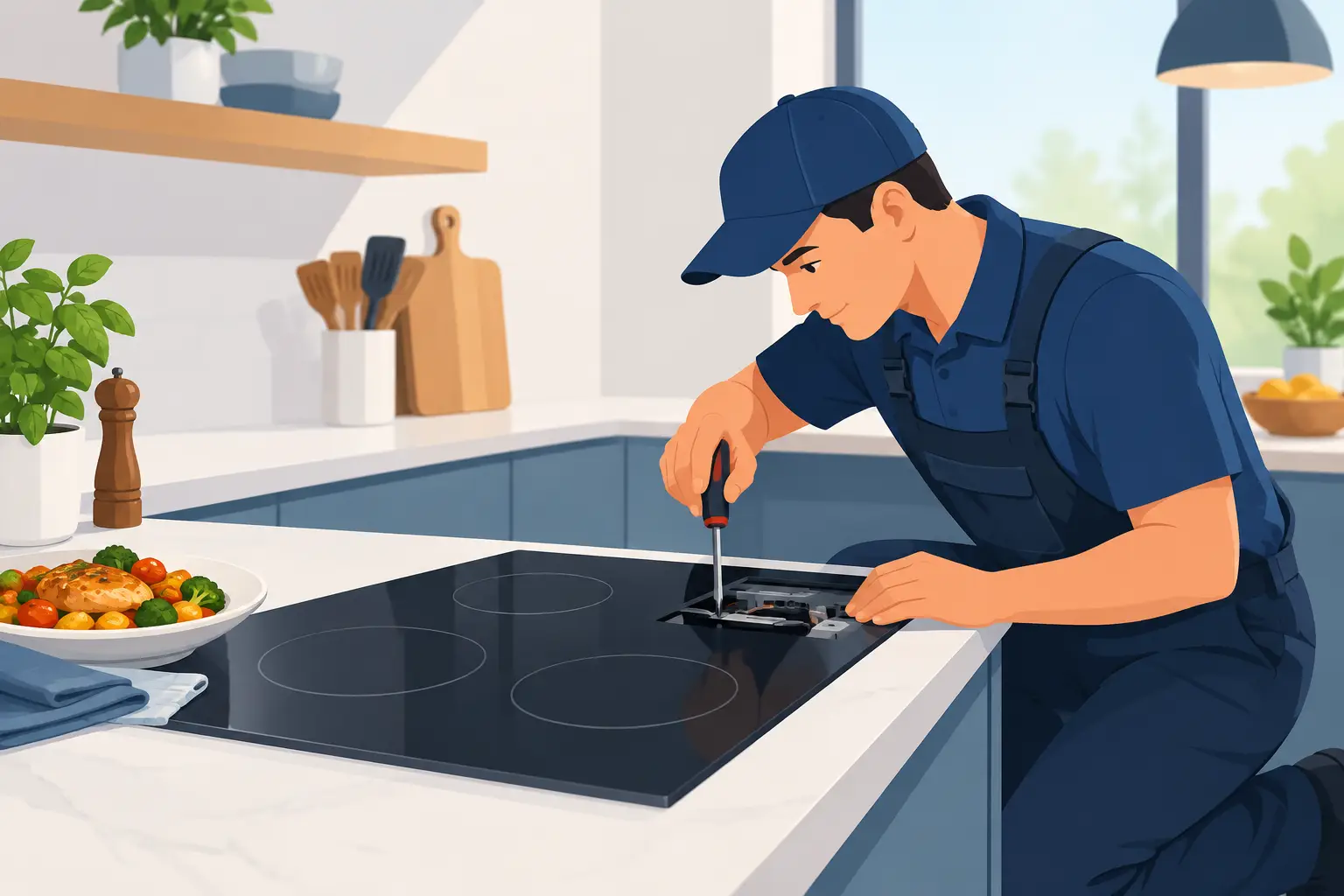
The goal of a service visit is not just to replace the part that appears most likely to be bad. A trained technician checks how the cooktop receives power or gas, how its controls communicate with heating components, and whether the visible symptom points to another underlying issue.
On a gas cooktop, the inspection may include the igniter, spark module, burner cap, burner ports, electrode position, gas valve, switches, and flame pattern. Food spills and moisture can interfere with ignition, but recurring clicking or burners that fail to light may also indicate an electrical component or ignition-system problem. A technician can clean and test appropriate components while confirming the appliance is operating safely.
On an electric cooktop, common areas of diagnosis include radiant elements, surface element switches, wiring connections, terminal blocks, sensors, and the control board. A burner that is not heating may have a failed element, but a faulty switch or damaged connection can create the same result. If an element remains too hot after being turned down, stop using that zone until it has been inspected.
Induction cooktops require their own approach. These appliances rely on electronic modules, cooling fans, sensors, and coils beneath the glass surface. An error message or no-heat condition may be related to cookware compatibility, but it can also involve the power supply, a cooling issue, or an internal component. Because induction units contain sensitive electronics and operate at high voltage, professional service is the safer choice.
Why Accurate Diagnosis Saves Time and Money
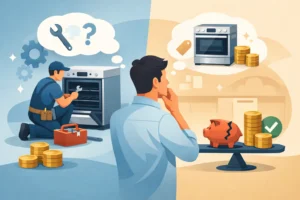
Replacing a cooktop can be expensive, especially when it is built into a countertop or part of a premium kitchen package. It may also involve matching the cutout size, coordinating electrical or gas connections, and finding a model that fits the existing design. When the cooktop is otherwise in good condition, repair can be the more sensible option.
That said, repair is not always the right answer. A technician should explain the condition of the appliance, the part needed, the expected repair cost, and any factors that may make replacement worth considering. Age, repeated failures, extensive glass damage, unavailable parts, and the price of a major electronic component can all affect the decision.
Clear information matters most when you are dealing with a disruption at home. You should not have to approve a repair without understanding what failed or what the work will cost. A straightforward estimate gives you the information needed to move forward confidently.
Gas, Electric, and Induction Repairs Are Different
Homeowners sometimes assume every cooktop repair follows the same process. In reality, the appliance type changes both the diagnosis and the repair method.
Gas cooktops offer responsive heat, but they depend on clean burners, reliable ignition, proper airflow, and safe gas delivery. Burner flames should generally be steady and mostly blue. Yellow or uneven flames, delayed ignition, and persistent clicking deserve professional attention.
Electric cooktops may use coil elements, smooth-top radiant elements, or other heating designs. Their common concerns include failed elements, cracked glass, unresponsive controls, and inconsistent temperature control. A cracked glass surface is more than a cosmetic issue, particularly if moisture can reach electrical components below.
Induction cooktops heat pans through magnetic energy rather than directly heating the cooking surface. They are efficient and precise, but their controls and electronics are more specialized. The right technician will assess the specific model and use the correct replacement parts rather than treating it like a conventional electric cooktop.
What to Do Before Your Service Appointment
You do not need to take the cooktop apart before help arrives. In fact, removing panels or attempting electrical or gas repairs without training can create additional risk. A few simple details can make the visit more efficient.
If possible, write down which burners are affected, when the problem began, and whether it happens every time you use the appliance. Note any error codes, unusual sounds, flickering displays, clicking, or odors. If the issue is intermittent, a short video can help show what occurs before the technician arrives.
Clear cookware and loose items from the cooktop, but do not scrub aggressively around damaged components or use the appliance if you see exposed wiring, smell gas, or notice sparking. Have the model number available if you can find it. It is often located on the cooktop frame, underneath the unit, or in the owner documentation.
Repair Support for Standard and Premium Cooktops
A kitchen may have a familiar mainstream cooktop or a high-end model from brands such as Wolf, Thermador, Viking, Miele, Bosch, GE, LG, Samsung, Whirlpool, or Fisher & Paykel. The need is the same: dependable cooking equipment that works when your household needs it. The repair approach, however, should account for the specific brand, model, and components involved.
AK Appliance Repair provides in-home diagnostics and repair service for gas, electric, and induction cooktops throughout Orange County. The technician can explain the source of the issue in plain language, provide a clear estimate, and recommend repair or replacement based on the appliance’s condition. The $75 service fee is waived when you proceed with a repair, helping keep an unexpected service call more manageable.
A cooktop failure rarely arrives at a convenient time. Getting it checked promptly can restore your kitchen routine, reduce safety concerns, and give you a practical answer before one faulty burner becomes a reason to replace an appliance that may still have years of useful service left.