A Wolf range is built for serious home cooking, so a burner that keeps clicking, an oven that runs cold, or a display that suddenly shows an error can disrupt more than one meal. Wolf range repair is the practical next step when basic checks do not restore safe, consistent operation. Prompt professional service can help protect a premium appliance, prevent a small failure from becoming a larger one, and get your kitchen back in working order.
Signs Your Wolf Range Needs Repair
Not every cooking issue means the range has failed. A pan that heats unevenly may be the wrong size for the burner, and a single poor baking result can come from an inaccurate recipe temperature or crowded oven racks. But recurring performance problems deserve attention, especially when they affect gas ignition, oven heat, or electronic controls.
Burners Click, Fail to Ignite, or Produce an Uneven Flame
A gas burner that clicks repeatedly without lighting may have a wet or blocked burner cap, food debris around the igniter, or an issue with the ignition system. If one burner works but another does not, the problem may be isolated to that burner. If several burners will not ignite, the cause can be more involved.
Flame appearance matters, too. A healthy gas flame is generally steady and blue. Yellow or orange flames, flames that lift away from the burner, or flames that are weak on one side can point to a burner assembly, gas-flow, or adjustment issue. Do not try to alter gas components yourself. If you smell gas, turn off the range if it is safe to do so, avoid switches and open flames, leave the area, and contact your gas utility or emergency services as appropriate.
The Oven Takes Too Long or Cooks Unevenly
When a Wolf oven takes far longer than normal to preheat, burns food on one rack while undercooking another, or cannot hold the set temperature, the problem may involve a heating element, igniter, temperature sensor, fan, relay, or control board. On gas models, a weak oven igniter can glow without opening the gas valve reliably enough to heat the oven correctly.
It is tempting to keep raising the temperature setting to compensate. That usually creates inconsistent results and can make diagnosis harder. If your cookies are suddenly overbrowning, roasts take much longer than expected, or the oven shuts off during use, schedule service before planning an important dinner or holiday meal.
The Display Shows an Error Code or Controls Respond Poorly
Wolf ranges use electronic controls to manage cooking modes, temperatures, timers, and safety functions. An error code, unresponsive keypad, flashing display, or oven that starts and stops unexpectedly can indicate a sensor or control issue. A simple power reset may clear a temporary glitch, but a recurring code is a reason to call a qualified technician.
Before resetting power, write down the exact code and note what the range was doing when it appeared. That information can shorten the diagnostic process during your appointment.
Doors, Lights, and Self-Clean Features Are Not Working Normally
An oven door that will not close securely can allow heat to escape and affect cooking performance. A damaged hinge, worn gasket, or failed door latch may be responsible. Problems that appear after a self-clean cycle, such as a locked door, nonresponsive controls, or an oven that will not heat, also require careful diagnosis rather than forcing the door or repeatedly cycling the power.
Why Wolf Range Repair Requires Careful Diagnosis
Wolf is a premium appliance brand with model-specific components and cooking systems. A range that appears to have a simple ignition or heating problem may have a different underlying cause depending on whether it is gas, dual fuel, electric, or induction. Replacing a part without confirming the failure can add expense without solving the problem.
Professional diagnosis focuses on the full symptom, not just the visible result. For example, an oven that will not heat may have a failed igniter, but it could also have a temperature-sensing problem, wiring issue, relay failure, or control-board concern. A technician checks the relevant components and verifies operation after the repair.
Using the correct replacement part is equally important. Generic parts are not always a good fit for premium equipment, particularly where ignition, temperature control, electronic communication, and safety systems are involved. Genuine factory parts help ensure proper fit and dependable performance when they are available for the model.
What You Can Safely Check Before Scheduling Service
A few simple checks can rule out common interruptions. Confirm that the range has power, check whether the circuit breaker has tripped, and make sure burner caps are clean, dry, and seated correctly after cleaning. If your oven has a control lock feature, verify that it has not been activated.
For a gas range, confirm the gas shutoff valve has not been accidentally turned off. Do not remove panels, disassemble igniters, probe electrical connections, or attempt to repair a gas line. Those steps can create safety risks and may damage components that could otherwise be repaired.
If the issue began after a spill, let the surface cool completely and clean only as directed in your owner’s manual. Moisture around igniters can cause clicking or delayed ignition, but persistent symptoms after the area has dried should be inspected.
Repair or Replace? The Answer Depends on the Problem
A Wolf range is often worth repairing because it is a high-value appliance designed for long-term use. Many common issues, including failed igniters, heating components, sensors, switches, door parts, and certain control problems, can be repaired with the right diagnosis and replacement parts.
The decision becomes more nuanced when a range has multiple major failures, extensive damage, unavailable parts, or repair costs that approach the value of replacement. Age matters, but it should not be the only factor. A well-maintained premium range with one failed component may have years of useful service left, while a newer unit with repeated electronic failures may require a more detailed conversation about cost and reliability.
A trustworthy service provider should explain what failed, what the repair involves, and what it will cost before work begins. Clear estimates give you the information needed to decide without pressure.
What to Expect From an In-Home Wolf Range Service Visit
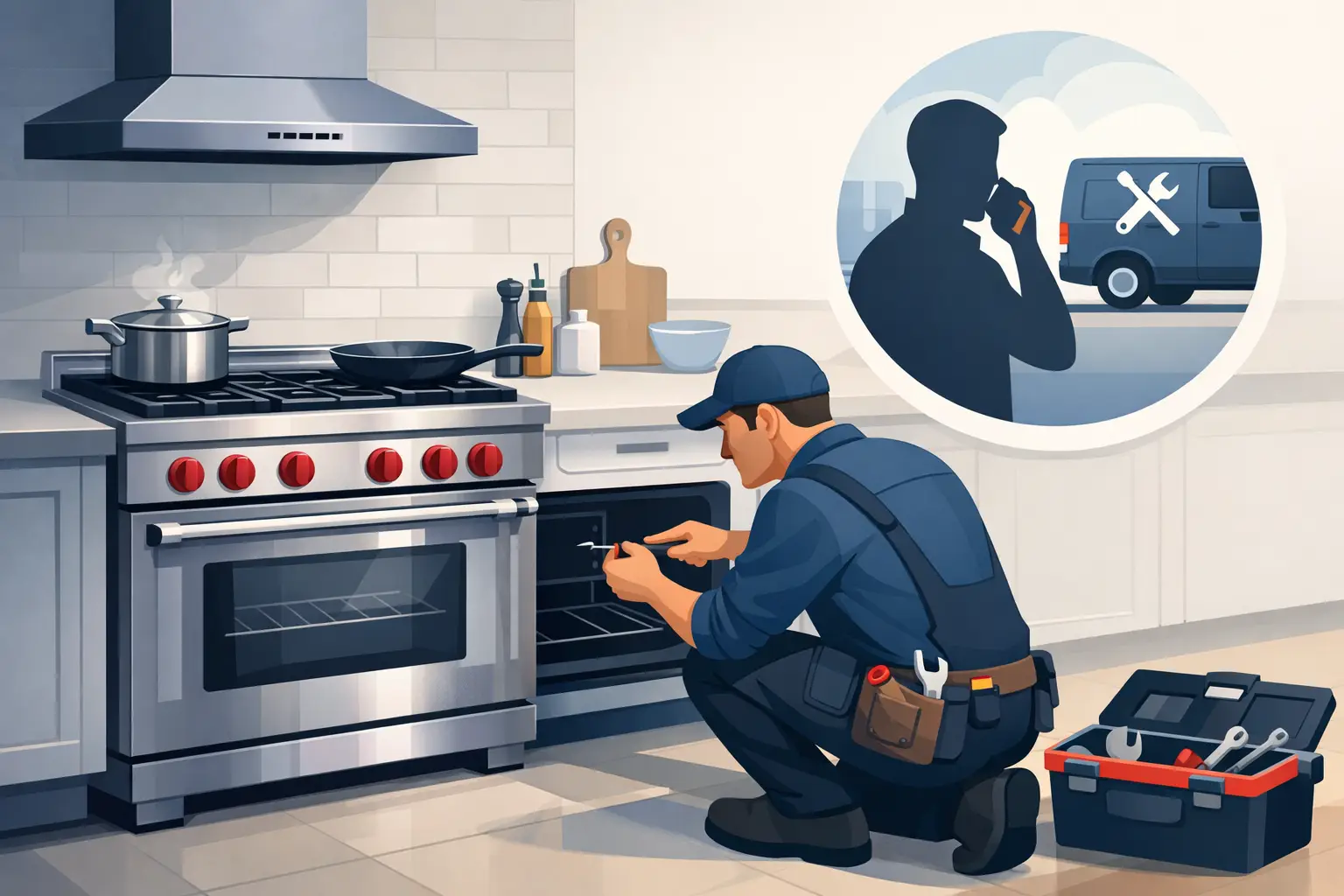
For busy Orange County households, an in-home appointment should be straightforward. The technician begins by listening to the symptoms, inspecting the range, and testing the components related to the problem. Details such as whether the failure happens on bake, broil, convection, or only with a particular burner can be useful.
Once the cause is identified, you should receive an honest recommendation and a clear estimate. Some repairs can be completed during the same visit when the needed part is available. Other repairs may require ordering a model-specific component, particularly for luxury appliances. In that case, knowing the plan, expected part availability, and next steps helps remove uncertainty.
AK Appliance Repair provides in-home diagnostics and repair for Wolf and other premium kitchen appliances throughout Orange County. The $75 service fee is waived when you proceed with a repair, and appointments are available with the convenience of same-day, evening, weekend, and emergency service options when scheduling permits.
Help Your Wolf Range Perform Reliably Between Repairs
Regular care will not prevent every component failure, but it can reduce avoidable ignition and performance issues. Clean spills after the surface cools, keep burner caps properly aligned, avoid covering oven vents, and use cookware that sits securely on the grates or cooking surface. For induction models, use compatible magnetic cookware with flat bottoms for more consistent results.
Avoid harsh abrasives on control panels, igniters, and specialty surfaces. If you use the self-clean function, follow the manufacturer’s instructions and remove loose debris first. High-heat cleaning cycles can be useful, but frequent use may place extra stress on some oven components.
When your range stops performing the way it should, acting early is usually the simplest path. A clear diagnosis and properly completed repair can restore the reliable heat, control, and confidence you expect every time you cook.